





As artificial intelligence continues to reshape the global workforce, millions of professionals are beginning to ask a difficult question: what roles will remain valuable in a world where software can think, write, design, and code?
While much of the conversation has focused on digital reskilling, a quieter shift is taking place in the opposite direction. Skilled trades—long overlooked in the knowledge economy—are emerging as one of the most resilient and future-proof career paths. Among them, carpentry stands out as a practical, accessible, and highly adaptable option for those looking to retrain in the age of AI disruption.
Why carpentry is resistant to AI disruption
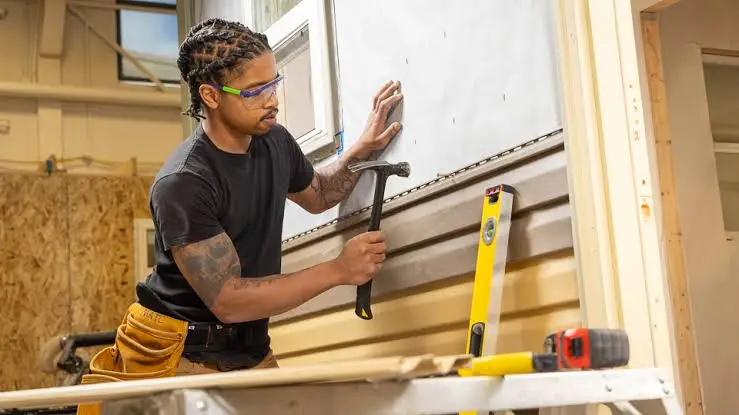
Unlike many white-collar roles, carpentry is deeply rooted in the physical world. It requires precision, spatial awareness, craftsmanship, and on-site problem solving—capabilities that remain extremely difficult to automate. From installing staircases and roof structures to crafting custom furniture and interior fittings, carpenters operate in dynamic environments where no two jobs are identical.
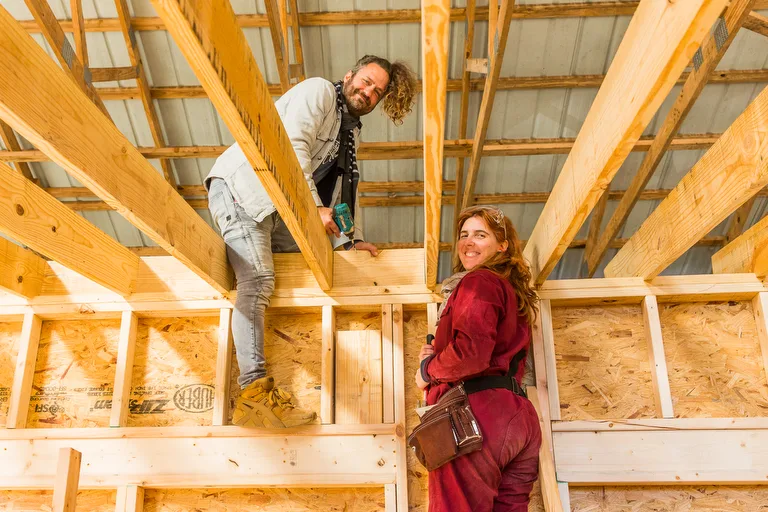
This makes carpentry inherently resilient to the types of automation currently transforming industries such as finance, marketing, and software development. While AI can assist with design or planning, the execution of physical work in real-world environments continues to rely heavily on human skill.
Multiple pathways into the profession
One of the key advantages of retraining as a carpenter is the flexibility of entry routes. Training programs range from short, intensive courses to longer apprenticeships, allowing individuals to choose a path that fits their timeline and financial situation.
For those seeking a rapid transition, intensive courses lasting between six and ten weeks provide hands-on training in both site carpentry and joinery. These programs are specifically designed for career changers and focus on practical skills that can be applied immediately.
Alternatively, apprenticeships typically run for around 24 months and combine paid on-the-job training with formal qualifications such as Level 2 or Level 3 certifications. This route offers a structured pathway into the industry while allowing individuals to earn as they learn.
College-based diplomas and qualifications—such as those offered through City & Guilds or NVQ frameworks—provide another option, covering everything from tool usage and materials to safety standards and construction principles. Online training can also support foundational knowledge, particularly in areas such as blueprint reading and building materials.
What you actually learn
Carpentry training is highly practical and focused on real-world application. Core skills include site carpentry and joinery, such as installing doors, building stud walls, fitting staircases, and constructing roof frameworks. Trainees also learn how to safely and effectively use a wide range of power and hand tools, from saws and chisels to drills and planes.
Equally important is an understanding of safety and compliance. Training covers health and safety regulations, personal protective equipment requirements, and building standards—essential knowledge for working on construction sites.
Mathematical skills also play a key role, with carpenters needing to measure accurately, calculate materials, and produce estimates. These competencies ensure that projects are delivered efficiently and to specification.
Certification and career outcomes
To work professionally, most carpenters follow recognized certification pathways. Qualifications from City & Guilds are widely respected and are often combined with NVQ Level 2 or Level 3 certifications. For those working on construction sites, obtaining a CSCS (Construction Skills Certification Scheme) card is typically essential, with the Blue CSCS card serving as a common benchmark for skilled workers.
Training providers such as Able Skills, the School of Carpentry, and local colleges offer structured programs that lead directly into employment opportunities. Graduates can pursue careers in site carpentry, joinery, or furniture manufacturing, with options to specialize or eventually start their own business.
A broader shift in the future of work
The rise of AI is forcing a fundamental rethink of what constitutes a “future-proof” career. For decades, the assumption was that digital skills would always provide upward mobility. Today, that assumption is being challenged.
Carpentry represents a different kind of opportunity—one grounded in physical skill, creativity, and tangible output. It offers not just job security, but also a sense of craftsmanship and ownership that is often missing in digital roles.
For those facing uncertainty in an AI-driven economy, retraining into a skilled trade is no longer a fallback option. It is increasingly becoming a strategic move.
In a world where machines are learning to think, the ability to build something real—by hand—may prove more valuable than ever.