

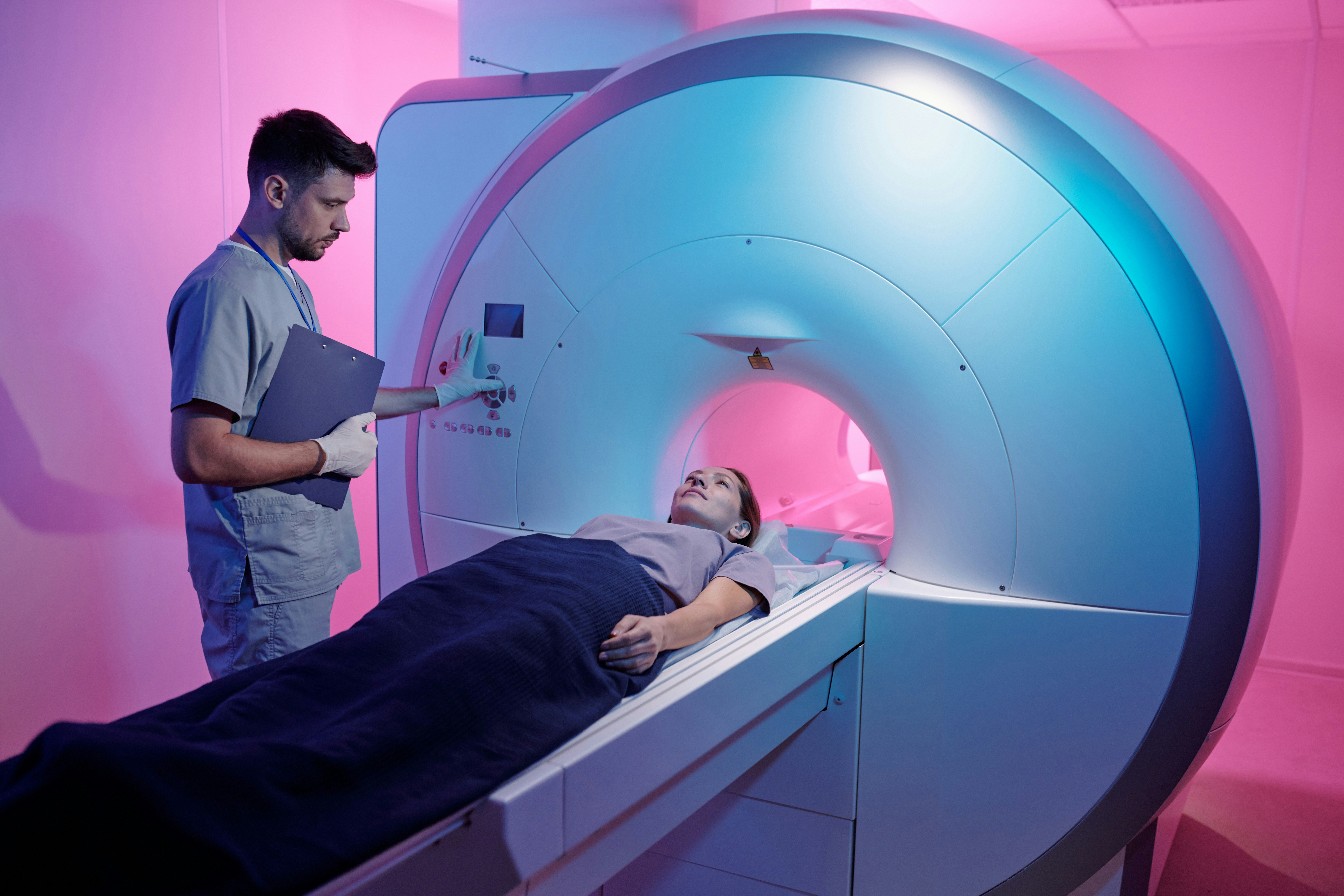
Artificial intelligence is rapidly moving from experimentation to real-world deployment in healthcare—and some leaders are already preparing for a future where entire medical roles are redefined. The CEO of NYC Health + Hospitals, the largest public hospital system in the United States, has openly stated that AI could soon replace radiologists in certain scenarios once regulatory barriers are removed.
Speaking at a recent industry panel, CEO Mitchell Katz highlighted how AI systems are already being used to interpret medical images such as mammograms and X-rays. With demand for imaging rising and radiologist costs increasing, hospitals are under growing pressure to find more efficient solutions.
“We could replace a great deal of radiologists with AI at this moment, if we are ready to do the regulatory challenge,” Katz said, pointing to the immediate potential for cost savings and operational efficiency.
Beyond cost, proponents argue that AI could expand access to care—particularly in areas like breast cancer screening. Some hospitals are already experimenting with hybrid models, where AI performs the initial scan and human radiologists review flagged cases. According to hospital leaders, these systems are showing strong early results.
“For women who aren’t considered high risk, if the test comes back negative, it’s wrong only about 3 times out of 10,000,” said David Lubarsky, CEO of Westchester Medical Center Health Network, describing the accuracy of AI-assisted screening.
However, the shift toward AI-driven diagnostics is not without controversy. Many radiologists and medical professionals warn that current systems are not reliable enough to replace human expertise, particularly in complex or high-risk cases. Critics argue that over-reliance on AI could introduce new risks to patient safety, especially if deployed prematurely or without proper oversight.
What is clear is that healthcare is entering a new phase of transformation. As AI capabilities improve and economic pressures mount, hospitals are increasingly exploring automation not just as a tool—but as a structural shift in how care is delivered. The outcome will likely depend on how regulators, practitioners, and technology providers balance innovation with safety in one of the most critical sectors of society.
Source: Radiology Business – “CEO of America’s largest public hospital system says he’s ready to replace radiologists with AI” (March 31, 2026)