A recent TechCrunch report highlights growing anxiety in the software industry as AI coding agents begin to reshape how companies build and buy software. The shift became tangible when a startup founder told an investor he was replacing his entire customer service team with Claude Code, an AI tool capable of writing and deploying software autonomously. According to Lex Zhao of One Way Ventures, this moment signals something larger: companies are no longer automatically defaulting to established SaaS providers like Salesforce when AI tools make building custom solutions faster and cheaper.
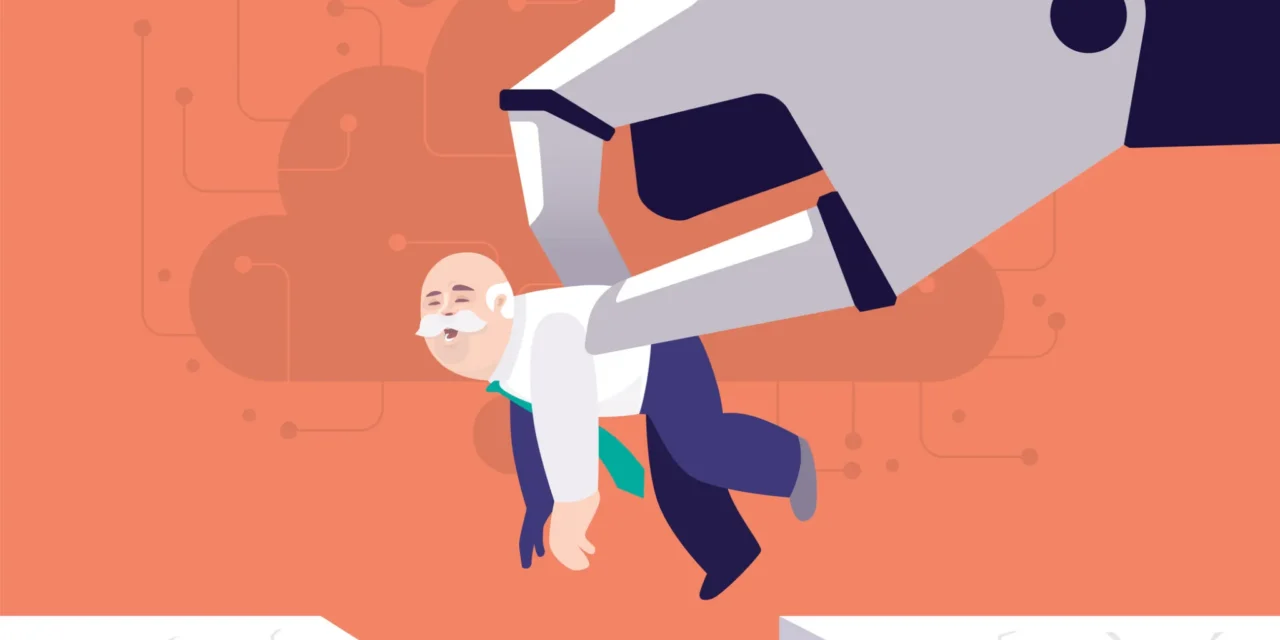
At the heart of the disruption is the traditional SaaS pricing model. Software-as-a-service companies typically charge per seat, generating predictable recurring revenue with high margins. But as AI agents increasingly perform tasks once handled by employees, the logic behind per-seat pricing begins to erode. If one AI system can replace multiple users — pulling data, managing workflows, and generating reports — the foundation of the SaaS business model is called into question. Investors warn that this shift could apply downward pressure on contracts as customers gain leverage by threatening to build their own AI-powered alternatives.
The report points to real-world examples fueling these concerns. Klarna’s decision in late 2024 to replace Salesforce’s CRM with its own homegrown AI system sent shockwaves through the market. Public SaaS stocks, including giants like Salesforce and Workday, have experienced significant declines, with sell-offs wiping out nearly $1 trillion in market value at one point.
Analysts have dubbed the phenomenon the “SaaSpocalypse,” while some describe current investor behavior as FOBO investing — fear of becoming obsolete.
Yet not all investors see this as the death of SaaS. Venture capitalists interviewed by TechCrunch argue that the industry is undergoing transformation rather than extinction. AI-native startups are experimenting with new pricing models, such as consumption-based or outcome-based pricing, charging customers for measurable results rather than user seats. Sierra, the AI customer service startup led by former Salesforce CEO Bret Taylor, has already reached $100 million in annual recurring revenue in under two years, suggesting that new business models may emerge stronger than before.
For now, uncertainty reigns. SaaS IPOs have stalled as public markets reassess the long-term value of traditional software companies, while investors wait to evaluate the financial durability of AI-native firms like OpenAI and Anthropic, both rumored to be considering public offerings. As the original report concludes, this moment represents both a structural shift and potentially a market overreaction. While AI is undeniably rewriting the rules of software, durable value, investors argue, will still depend on fundamentals — compliance, retention, margins, and defensibility — rather than hype alone.
Read the full article here
https://techcrunch.com/2026/03/01/saas-in-saas-out-heres-whats-driving-the-saaspocalypse/