

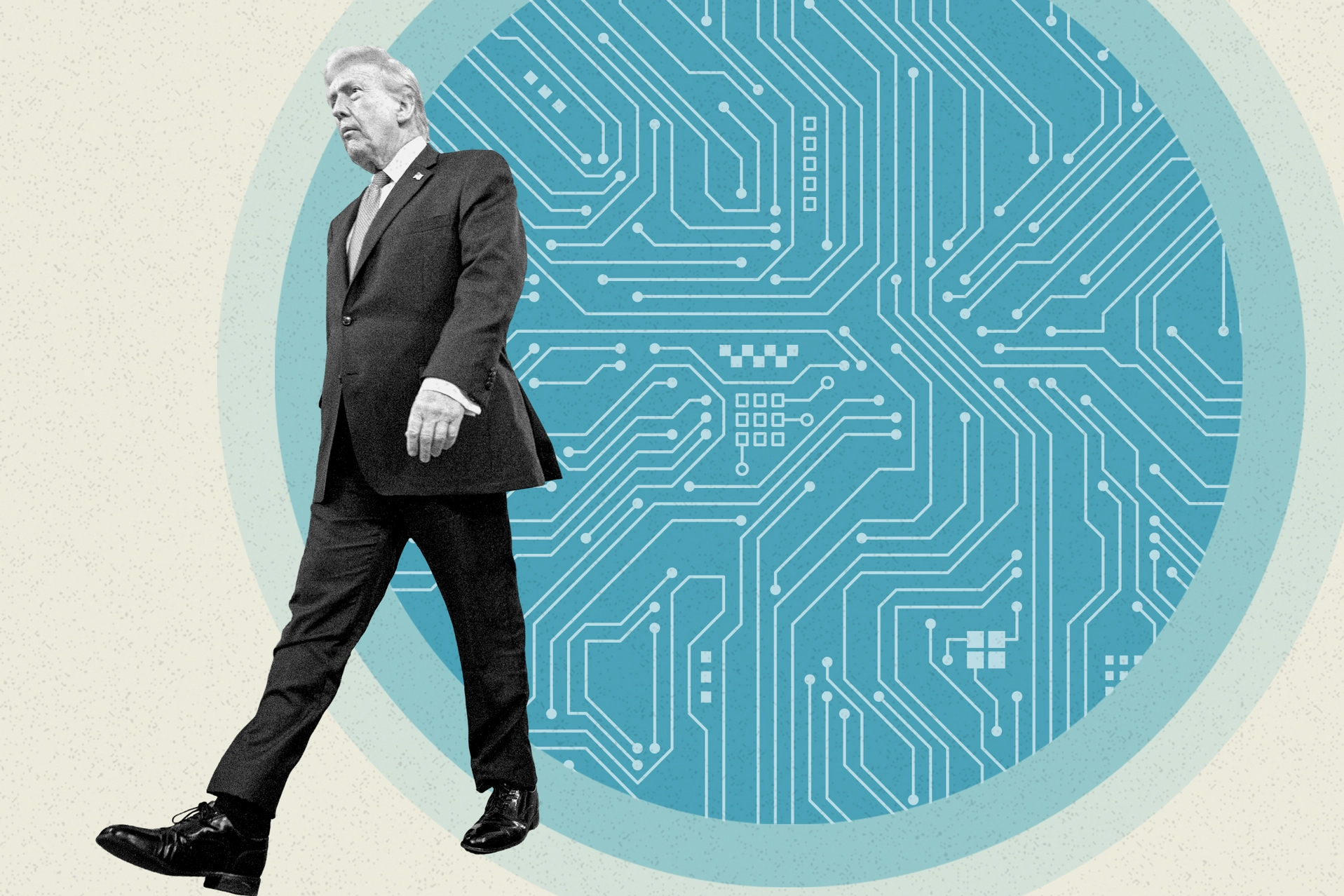
The rapid expansion of artificial intelligence is creating a new challenge for governments and energy providers: how to power the massive data centers required to run AI systems without driving up electricity costs for consumers. In the United States, the issue has become politically significant as communities and lawmakers raise concerns that the energy demands of AI infrastructure could strain power grids and increase household utility bills.
In response to these concerns, President Donald Trump recently convened leaders from major technology companies—including Google, Microsoft, Amazon, Meta, Oracle, OpenAI, and xAI—at the White House to address the growing backlash over AI data center construction. The companies agreed to a voluntary “Ratepayer Protection Pledge,” committing to supply or fund the electricity needed to operate their AI facilities rather than relying solely on local grids. The goal is to ensure that the expansion of AI infrastructure does not directly raise electricity costs for residential consumers. (Reuters)
Under the pledge, tech companies said they would build, buy, or bring their own power generation capacity for new data centers while also covering the cost of infrastructure upgrades required to support these facilities. This includes funding new power plants, negotiating special energy agreements with utilities, and investing in grid improvements. The administration hopes these commitments will reduce community opposition to data centers and allow the U.S. to continue expanding AI capabilities at a rapid pace. (AP News)
However, critics argue that the agreement lacks legal enforcement and may not fully address the underlying issue. Energy experts note that rising electricity costs are often driven by upgrades to transmission lines, grid infrastructure, and distribution networks—expenses that may still be shared among consumers even if companies generate their own electricity. Some environmental advocates also warn that the push for AI infrastructure could increase reliance on fossil fuels if new energy sources are not built quickly enough. (Common Dreams)
The debate highlights a growing tension between technological progress and infrastructure limits. As AI adoption accelerates and demand for computing power rises, governments and industry leaders are increasingly forced to balance economic competitiveness, energy security, and public concerns about costs and environmental impact.
Reference: Original article published by Politico – “Trump pushes AI data center electricity plan” (March 4, 2026). (AP News)