



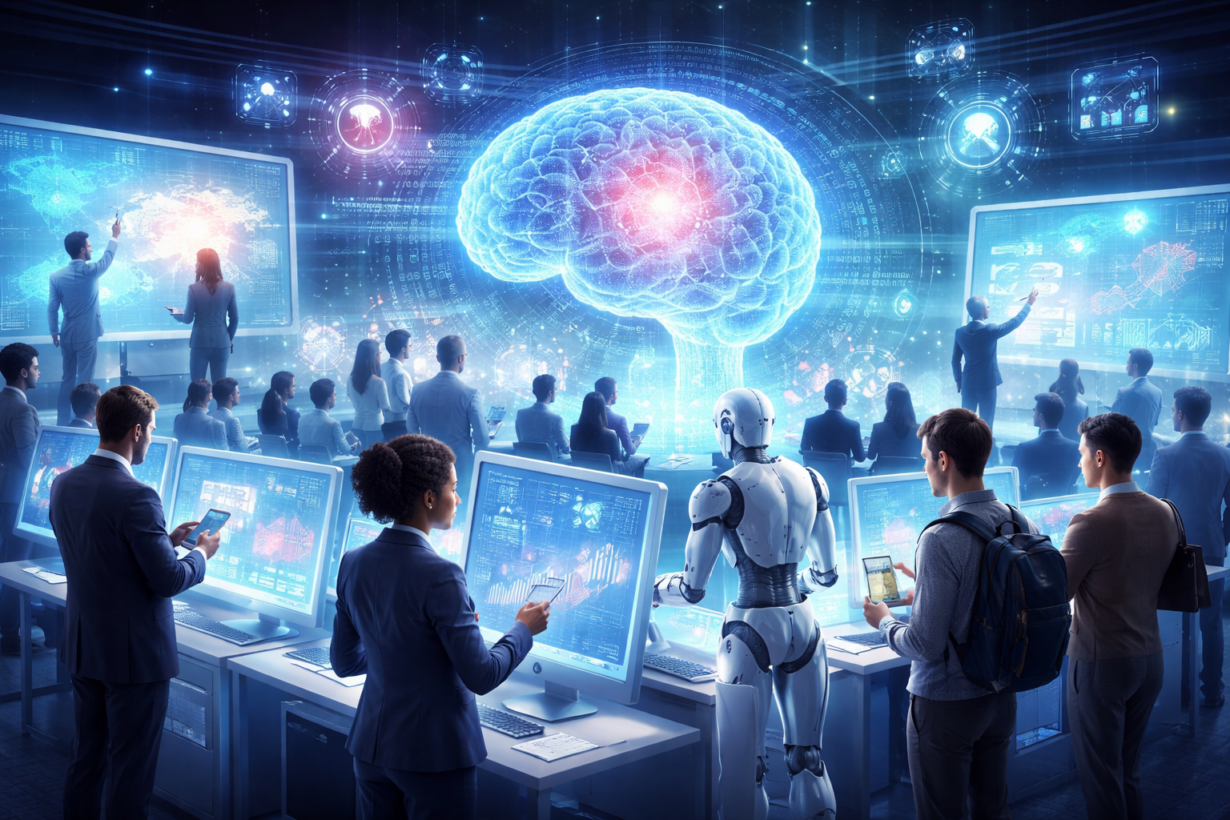

For most of modern history the formula for building a career was simple. Study a profession, gain expertise and apply that knowledge over the course of a lifetime. Doctors trained to diagnose, lawyers trained to interpret the law, architects trained to design buildings and accountants trained to manage financial records. Artificial intelligence is now rewriting that formula.
Across industries AI is becoming capable of performing many of the structured tasks that once defined professional expertise. Systems can review contracts, generate architectural models, analyse financial data and optimise project plans in seconds. Work that previously required years of training can now be assisted or partially automated by machines.
This shift does not mean the end of professional work, it means the nature of professional value is changing. The real challenge ahead is not simply building smarter AI, it is retraining humans so they remain relevant in a world where machines can perform much of the technical execution.
Expertise Is Evolving
AI excels at pattern recognition, structured reasoning and analysing large volumes of data. These capabilities overlap with the technical foundations of many knowledge based professions.
- Legal AI tools can scan thousands of documents in minutes.
- Design systems can generate architectural options instantly.
- Financial software can analyse entire portfolios faster than any human team.
But what AI cannot easily replicate is judgement, context creativity and responsibility. The professionals who thrive in the next decade will not be the ones who compete with machines at computation. They will be the ones who guide and direct intelligent systems. In other words expertise is evolving from doing the work to orchestrating the work.
The Rise of AI Augmented Professions
Instead of eliminating entire professions AI is likely to reshape them.
- Lawyers may become legal AI strategists who supervise automated analysis and focus on negotiation, risk assessment and interpretation.
- Architects may become design directors who guide AI generated concepts while ensuring projects meet human environmental and cultural needs.
- Accountants may transition into financial intelligence advisors who interpret machine generated insights and help businesses make strategic decisions.
- Project managers may become workflow architects who design how human teams and AI systems collaborate effectively.
In each case the core expertise remains valuable, the difference is that professionals must learn to work alongside intelligent systems rather than compete with them.
Retraining Becomes the New Education
The problem is that most professionals were not trained for this reality. Universities historically focused on teaching domain knowledge. Law schools teach legal frameworks, architecture schools teach design principles, business schools teach finance and operations. Very few programs teach professionals how to collaborate with AI systems interpret algorithmic outputs or design workflows between humans and machines. This gap is creating a new need for large scale professional retraining.
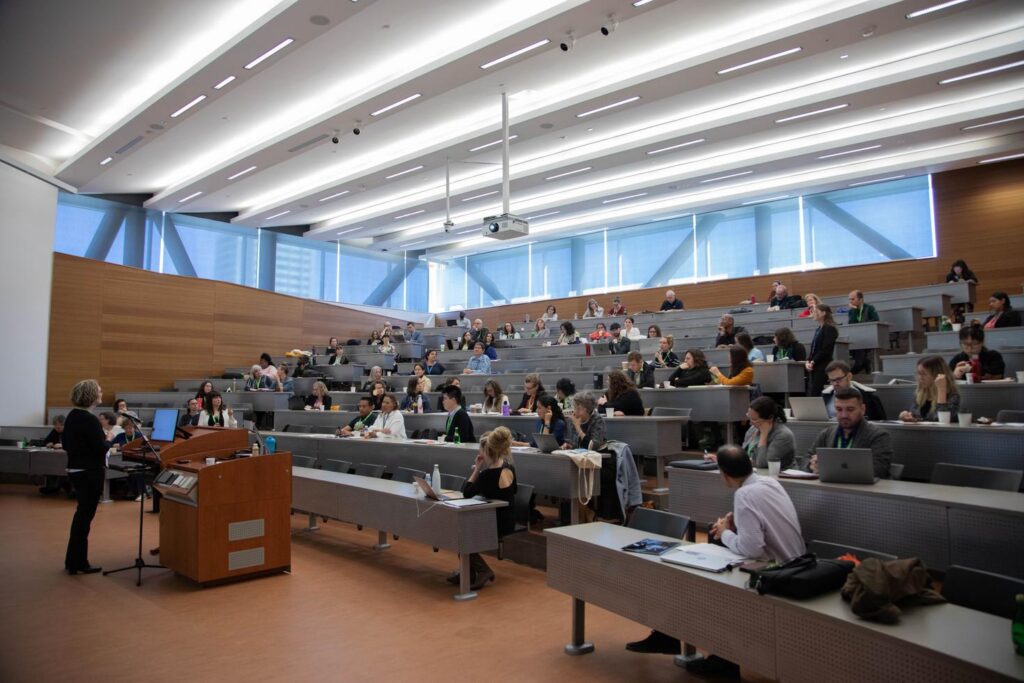
Retraining does not mean turning lawyers into programmers or architects into data scientists. Instead it focuses on building a new layer of capability that sits on top of existing expertise. Professionals need to understand how AI systems operate how to evaluate their outputs and how to apply human judgement where machines fall short. In the coming years AI literacy may become as essential as computer literacy was in the early internet era.
The Future Career Path
For generations people assumed that education happened once at the beginning of life. The rise of AI is challenging that assumption and the careers of the future will likely involve continuous reinvention.
Workers may retrain several times throughout their professional lives and new technologies will create new roles while transforming existing ones. Governments, universities and companies will need to rethink how learning works. Shorter training programs, modular education and practical skill development will become increasingly important. The ability to learn quickly may become the most valuable skill of all.
The Human Advantage
Despite rapid progress in artificial intelligence machines still struggle with many aspects of human intelligence. Ethical reasoning, creativity leadership, emotional understanding and complex decision making remain deeply human strengths.
- AI can generate options but humans must decide which ones matter.
- AI can analyse information but humans must understand context.
- AI can assist with decisions but humans remain responsible for the outcomes.
The professionals who succeed in the AI era will be those who combine human judgement with machine intelligence.
The Real Opportunity
Much of the public conversation around AI focuses on job loss. That is understandable but incomplete, a more important question is how society prepares people for the new kinds of work that intelligent systems will create.
If we invest in retraining the workforce AI can become a powerful tool that amplifies human capability rather than replacing it. The future of work will not belong solely to machines, it will belong to the people who learn how to work with them. And in that future the most valuable professionals may not be the ones with the most knowledge but the ones who know how to adapt their knowledge to an ever changing world.