


OpenAI has announced it will discontinue Sora, its high-profile generative AI video platform, marking a surprising retreat from one of the most closely watched frontiers in artificial intelligence.
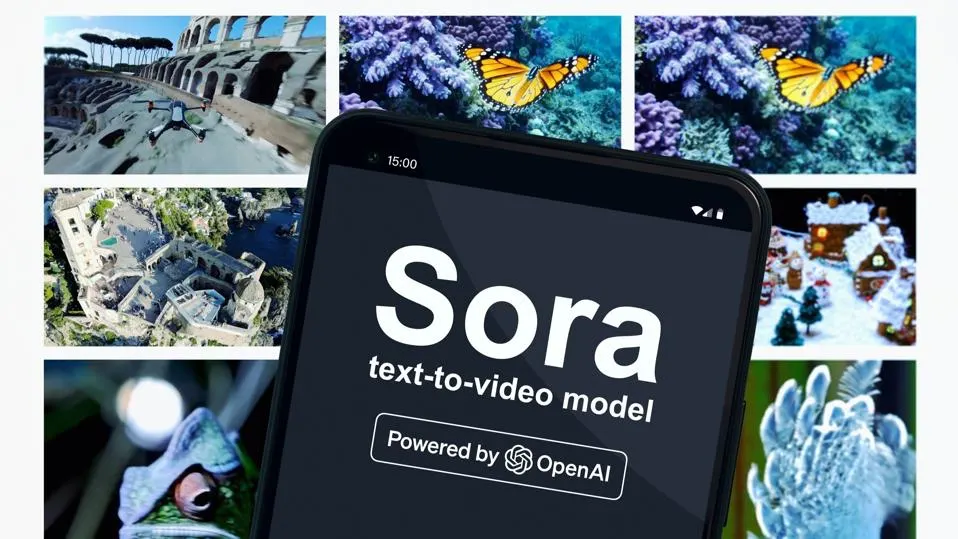
The company did not provide a clear explanation for the decision. In a statement, the Sora team acknowledged the impact on its community, saying: “We’re saying goodbye to Sora. To everyone who created with Sora, shared it, and built community around it: thank you. What you made with Sora mattered, and we know this news is disappointing.”
OpenAI added that more details are coming soon, including timelines for shutting down the app and API, as well as guidance on preserving user-generated content.
A Sudden Shift After Major Hollywood Deal
The shutdown comes just three months after OpenAI signed a landmark partnership with Disney. The deal would have allowed Sora to generate user-prompted videos using a library of more than 200 licensed characters from Disney, Marvel, Pixar, and Star Wars.
The vision was ambitious: AI-generated, “fan-inspired” videos featuring iconic characters, with curated content potentially distributed via Disney+. That plan has now been scrapped. Disney has also ended its broader partnership with OpenAI, which reportedly included a potential $1 billion equity investment.
In response, a Disney spokesperson stated: “As the nascent AI field advances rapidly, we respect OpenAI’s decision to exit the video generation business and to shift its priorities elsewhere.” The company added that it would continue exploring AI technologies while ensuring respect for intellectual property and creators’ rights.
Copyright Pressure Mounts on AI Video
Sora’s rapid development had already raised significant concerns across the entertainment industry. Its second version, launched in late 2025, produced highly realistic video outputs—but also intensified fears around copyright infringement.
The platform operated under an “opt-out” model, requiring rights holders to actively request that their content not be used in training. This approach drew criticism from global media organizations.
In November, Japan’s Content Overseas Distribution Association (CODA), whose members include Studio Ghibli, formally demanded that OpenAI stop using their works to train Sora. The backlash reflected broader tensions between AI developers and content creators over ownership and control.
A Wider Legal Battle Across Big Tech
OpenAI’s decision also comes amid a wave of legal challenges facing AI companies. Disney has been particularly aggressive in defending its intellectual property, issuing cease-and-desist orders to Google, Meta, and Character.AI, and filing lawsuits alongside NBCUniversal and Warner Bros. Discovery against platforms such as Midjourney and Minimax.
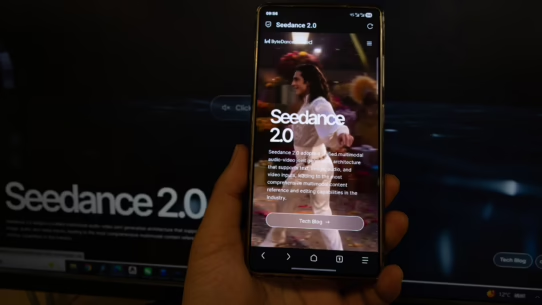
Other players are under pressure as well. ByteDance, for example, has faced legal threats from major studios over its Seedance 2.0 AI system, prompting the company to promise stronger safeguards to prevent unauthorized use of copyrighted material.
Despite Sora’s shutdown, the broader market for AI-generated video remains active, with multiple platforms continuing to operate—many still navigating unresolved legal and ethical questions.
The Bigger Picture: AI Innovation Meets Reality
Sora was initially unveiled in early 2024 as a breakthrough in text-to-video generation, with OpenAI promoting it as a tool to “turn your ideas into videos with hyperreal motion and sound.” It represented a bold step toward democratizing video creation, allowing users to “cast yourself and your friends in videos as characters.”
Its closure highlights a growing reality in the AI industry: technical capability alone is not enough. Regulatory pressure, intellectual property concerns, and commercial partnerships are increasingly shaping what AI products can—and cannot—become.
For OpenAI, the move suggests a strategic pivot. For the industry, it signals that the race to dominate AI-generated media will be defined as much by legal frameworks and partnerships as by innovation itself.