




Trevor Milton is back. The Nikola founder, freshly pardoned after a fraud conviction that sent shockwaves through the EV world, is now chasing $1 billion to build AI-powered autonomous planes through a venture called SyberJet. In an interview with the Wall Street Journal, Milton admitted the new project will be “10 times harder than Nikola ever was” – a stunning acknowledgment from an entrepreneur whose last company became synonymous with Silicon Valley excess and deception.
Trevor Milton isn’t wasting his second chance. The Nikola founder, who walked free after a presidential pardon erased his four-year fraud sentence, has emerged with an audacious new pitch: AI-powered autonomous planes that could reshape aviation. He’s hunting for $1 billion through a company called SyberJet, and he’s refreshingly candid about the challenge ahead.
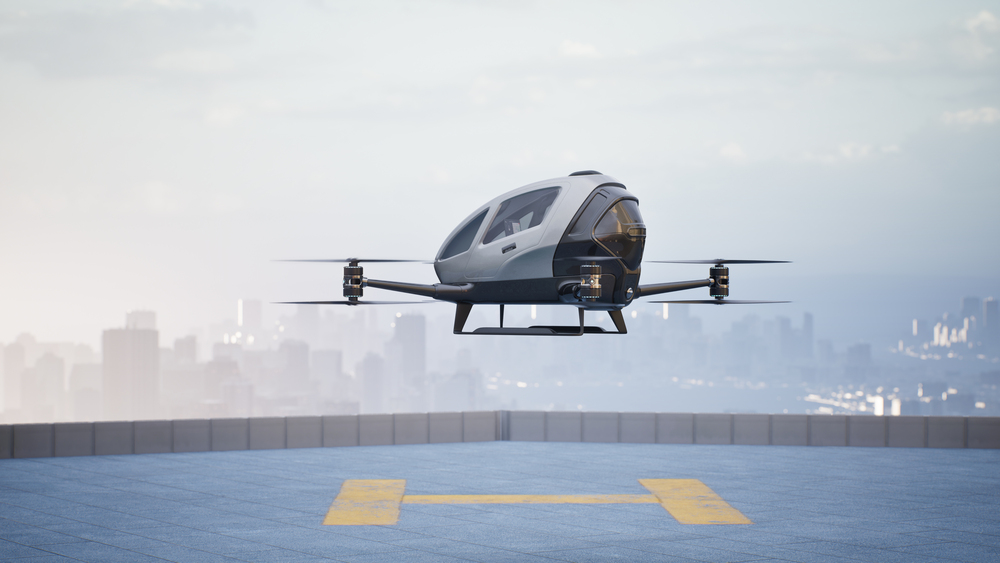
“Autonomous planes will be 10 times harder than Nikola ever was,” Milton told the Wall Street Journal in a rare interview. It’s a remarkable admission from someone whose last venture collapsed under the weight of securities fraud charges after he overstated the capabilities of Nikola’s electric and hydrogen-powered trucks.
Milton was convicted in 2022 on three counts of fraud for misleading investors about Nikola’s technology, including staging a video that made it appear a truck prototype was driving under its own power when it was actually rolling downhill. The conviction sent him to prison and turned Nikola into a cautionary tale about startup hype culture. His pardon, which came earlier this year, sparked immediate controversy in venture capital and legal circles.
Now he’s betting that AI and autonomous aviation represent a clean slate. SyberJet appears focused on developing artificial intelligence systems capable of piloting aircraft without human intervention – a technical challenge that’s stumped even well-funded players like Boeing and Airbus. The aviation giants have poured billions into autonomous flight research, but regulatory hurdles and safety concerns have kept fully autonomous commercial planes grounded.
Milton’s timing is deliberate. The AI boom has unlocked unprecedented investor appetite for moonshot projects, with autonomous systems attracting massive capital across industries. Companies like Archer Aviation and Joby Aviation have raised hundreds of millions for electric vertical takeoff and landing aircraft, while Reliable Robotics is developing remotely piloted cargo planes.
But Milton faces a credibility gap that money can’t easily bridge. His conviction centered on false statements about battery technology, hydrogen fuel capabilities, and truck orders that didn’t exist. Investors who backed Nikola lost billions when the truth emerged, and General Motors walked away from a partnership that had valued the startup at $20 billion.
The $1 billion fundraising target is ambitious for any founder, let alone one with Milton’s baggage. Traditional venture capital firms have historically shunned founders with fraud convictions, though the crypto boom demonstrated that some investors will overlook checkered pasts for potentially transformative technology. Whether Milton can tap that same risk tolerance for aviation remains an open question.
Aviation presents unique challenges that make Nikola look straightforward by comparison. Autonomous aircraft must meet rigorous Federal Aviation Administration safety standards, navigate complex airspace regulations, and overcome public skepticism about computer-piloted planes. The technology requires sensor fusion, real-time decision-making, and fail-safe systems that can handle emergencies without human intervention.
Milton hasn’t detailed SyberJet’s technical approach or revealed who’s backing the venture. The company’s website remains sparse, and aviation industry sources say they haven’t seen concrete demonstrations of the technology. That opacity echoes the early days of Nikola, when Milton made sweeping claims about revolutionary trucks that existed mostly in renderings and promotional videos.
Still, the autonomous aviation sector is heating up. Xwing completed the first autonomous gate-to-gate flight of a cargo plane in 2021, while Merlin Labs is testing AI copilot systems on existing aircraft. The technology is real, even if the timeline to commercial deployment remains uncertain.
Milton’s return raises uncomfortable questions about accountability in Silicon Valley. Should founders convicted of defrauding investors get second acts? Does a presidential pardon erase the underlying breach of trust? And will investors who missed out on the AI gold rush lower their due diligence standards to chase the next big thing?
The answers will likely emerge through SyberJet’s fundraising success or failure. Milton is making his pitch at a moment when AI has replaced EVs as the tech industry’s hottest sector, and when autonomous systems are pulling in record investment. But he’s also carrying the heaviest reputational burden of any founder currently raising capital.
For now, Milton seems focused on positioning autonomous aviation as his redemption arc – a technical challenge so daunting it makes his previous stumbles look like warm-up acts. Whether investors buy that narrative, or whether they see it as another chapter in a cautionary tale, will determine if SyberJet ever gets off the ground.
Trevor Milton’s attempt to raise $1 billion for AI-powered autonomous planes represents one of the most brazen comeback bids in tech history. His candid acknowledgment that the venture will be exponentially harder than Nikola might be the most honest thing he’s said to investors in years. But honesty about difficulty doesn’t erase a fraud conviction, and the aviation industry’s unforgiving safety standards make it a peculiar choice for a founder rebuilding credibility. SyberJet will test whether Silicon Valley’s appetite for AI moonshots outweighs its memory of Milton’s past deceptions. For investors, the question isn’t whether autonomous planes are possible – it’s whether this particular founder should be the one building them.
Source: Techbuzz
https://www.techbuzz.ai/articles/pardoned-nikola-founder-seeks-1b-for-ai-autonomous-jets